
Understanding Sacroiliac (SI) Joint Dysfunction: Causes, Symptoms, and Treatment Options
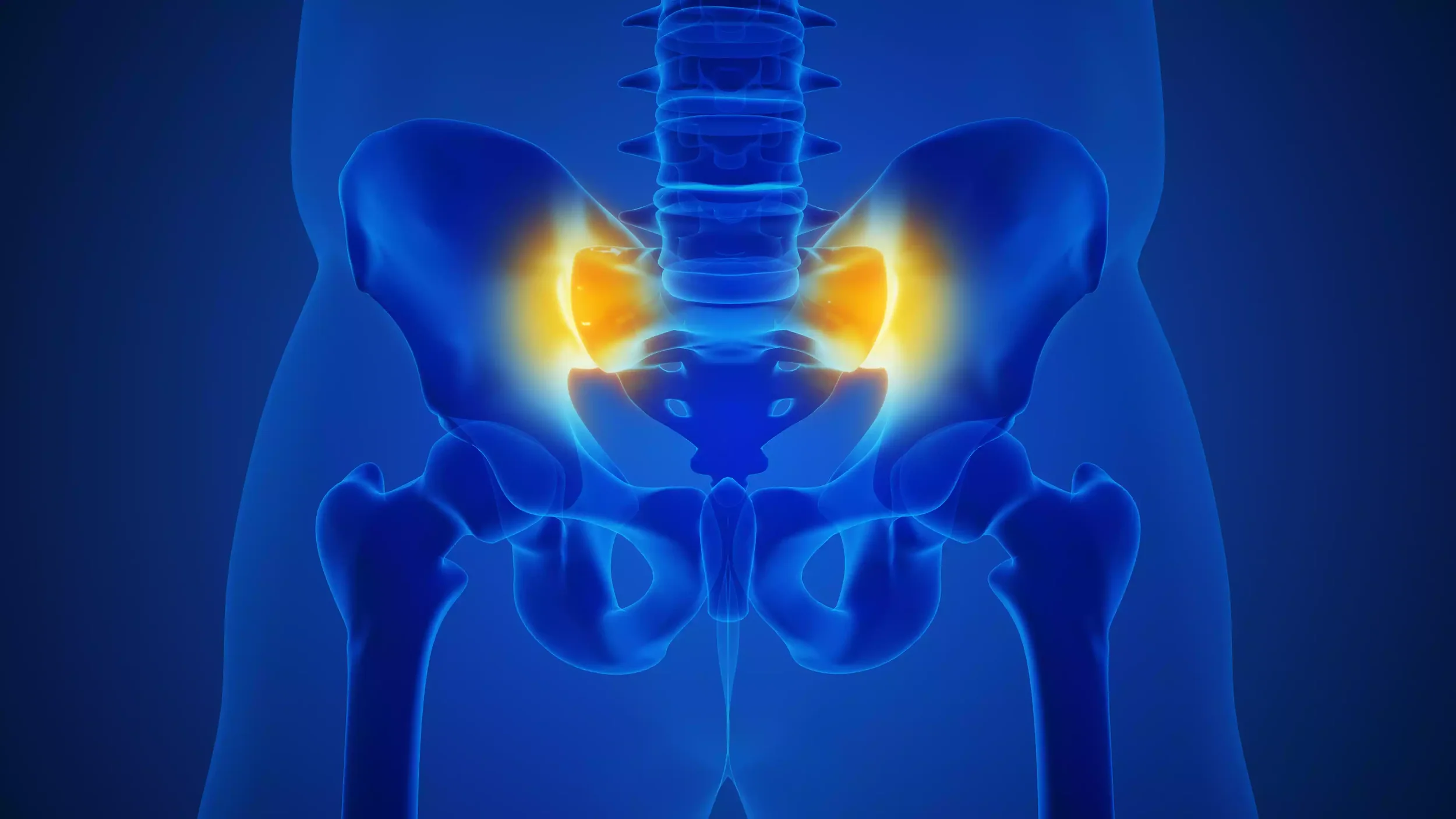
What Is the Sacroiliac Joint?
Lower back and pelvic pain are common concerns, particularly during periods of physical change such as pregnancy or postpartum recovery. One possible source of this discomfort is the sacroiliac (SI) joint, a structure that plays an important role in how the body transfers weight and maintains stability.
The sacroiliac joints are located at the base of the spine, where the sacrum meets the pelvis on each side. Although these joints move only slightly, that motion is essential. They help distribute forces between the upper and lower body during everyday activities like walking, sitting, and standing. When the joints are not moving or functioning as expected, discomfort can develop.
What Is SI Joint Dysfunction?
SI joint dysfunction refers to an alteration in how one or both of these joints are functioning. This may involve too much movement, often described as instability, or too little movement, which can lead to restriction. In either case, the result is often irritation within the joint and compensation throughout the surrounding structures.
Because the pelvis serves as a central point for movement, even small changes in this area can influence how the rest of the body feels and functions.
Common Causes of SI Joint Dysfunction
There are several reasons why SI joint dysfunction may occur. In many cases, it develops gradually as a result of changes in movement patterns or load on the body.
Pregnancy and the postpartum period are common contributing factors, as hormonal changes increase ligament laxity while the growing uterus shifts posture and weight distribution. Outside of pregnancy, repetitive strain, injury, asymmetry in the pelvis, or underlying joint hypermobility can also affect how the SI joints function.
Symptoms of SI Joint Dysfunction
The symptoms associated with SI joint dysfunction can vary, but they often include pain in the lower back, typically on one side, that may extend into the hips, buttocks, or upper leg.
Some individuals notice discomfort when sitting for extended periods, transitioning between positions, or standing for long periods of time. In certain cases, the symptoms may resemble sciatica, which can make it more difficult to identify the source of the problem without a thorough evaluation.
How SI Joint Dysfunction Is Evaluated
Because these symptoms overlap with other conditions, identifying SI joint dysfunction requires more than focusing on the location of pain alone. Evaluation involves assessing how the body is moving as a whole.
This includes observing posture and movement patterns, as well as identifying areas where motion may be restricted or imbalanced. Understanding how different parts of the body are interacting can help clarify what is contributing to the discomfort.
This type of whole-body assessment is a key part of the osteopathic approach, which focuses on how structure and function are connected.
Treatment Options for SI Joint Dysfunction
Treatment for SI joint dysfunction depends on the underlying cause and how the joint is functioning. In many cases, a combination of approaches is used to improve mobility, reduce irritation, and support stability.
This may include targeted exercise, physical therapy, or modifications to daily movement patterns.
Osteopathic Manipulative Treatment (OMT)
Osteopathic Manipulative Treatment (OMT) is one approach that may be used as part of care. OMT involves gentle, hands-on techniques designed to improve motion, reduce tension in surrounding tissues, and support more balanced function within the body.
Because treatment is individualized, the specific techniques used are selected based on the patient’s presentation and comfort level.
SI Joint Dysfunction During Pregnancy and Postpartum
SI joint dysfunction is particularly relevant during pregnancy and postpartum recovery. As the body adapts to hormonal and structural changes, the pelvis is placed under increased strain.
While these changes are a normal part of pregnancy, they can contribute to discomfort if the joints are not functioning well or if compensatory patterns develop. After delivery, some individuals may continue to experience symptoms as the body readjusts.
When to Seek Care
Seeking evaluation may be helpful when pain persists, interferes with daily activities, or does not improve with time. Early assessment can provide a clearer understanding of what is contributing to the symptoms and help guide appropriate care.
For individuals experiencing ongoing discomfort, especially during pregnancy or postpartum, exploring a whole-body, hands-on approach may be a helpful next step. Because symptoms can often overlap with other conditions, a thoughtful evaluation is important to understand how the joint is functioning and what may be contributing to discomfort.
By addressing both the joint and the surrounding structures, it is possible to improve movement, reduce pain, and support overall function over time.